Long-Armed Octopus Tote Bag
The Long-Armed Octopus (Octopus macropus), from André Étienne d'Audebert de Férussac and Alcide d'Orbigny's Histoire naturelle générale et particulière des Céphalopodes acétabulifères vivants et fossiles (1826–1848), plate 24. Historical hand-colored natural-history illustration associated with Jean-Baptiste Vérany.
The long-armed octopus, historically known as Octopus macropus and now generally classified as Callistoctopus macropus, inhabits warm, shallow waters of the Mediterranean Sea and eastern Atlantic Ocean. Distinguished by its unusually long arms and reddish coloration, this nocturnal predator shelters among rocks and crevices during the day before emerging at night to hunt crustaceans, mollusks, and other small marine animals.
Product Details
· Size: 13″ × 13″
· Durable 100% spun polyester
· Medium-weight fabric (6.49 oz/yd²; 200 g/m²)
· Double-stitched seams
· Cotton webbing handles
· Nonwoven laminated interior lining
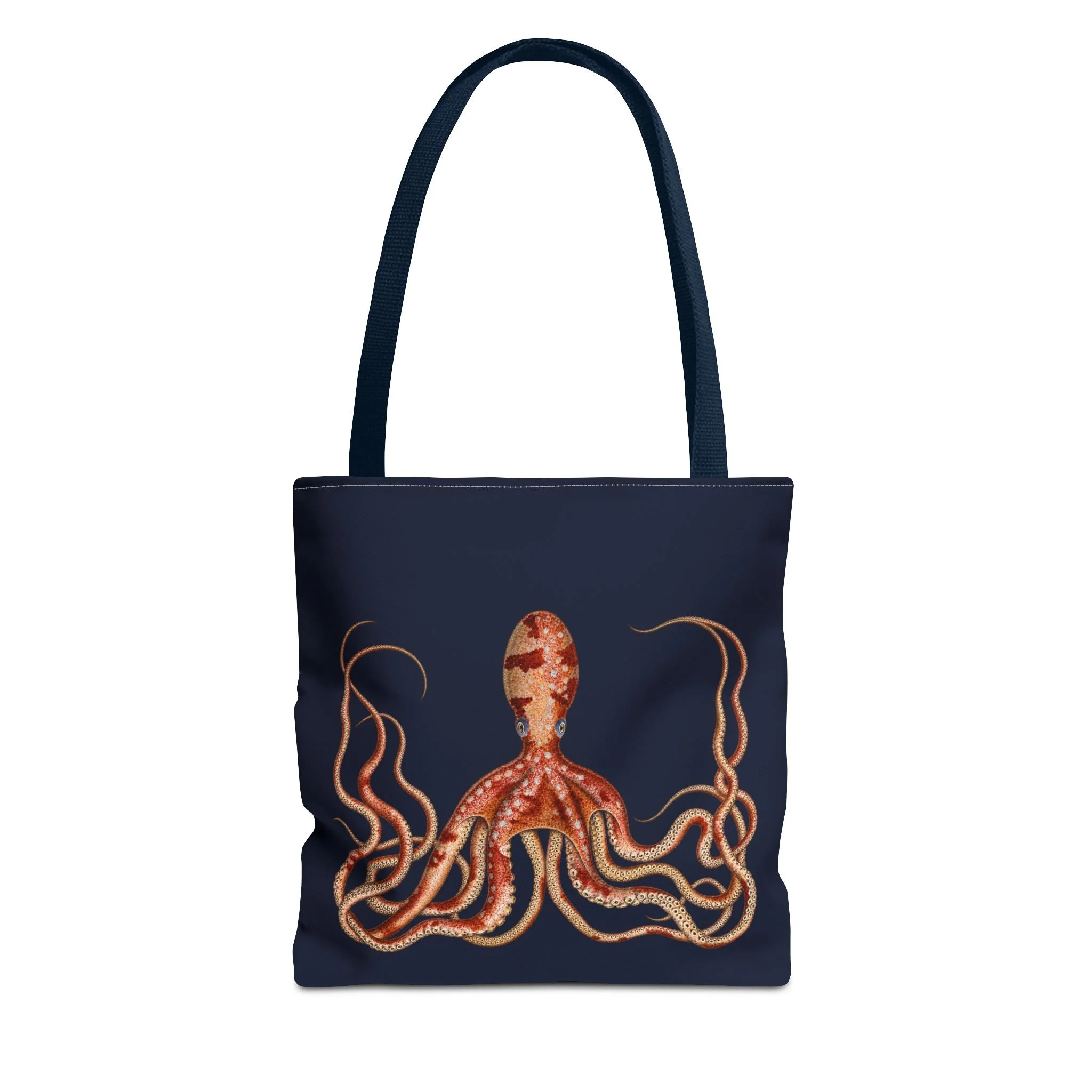 Image 1 of 12
 Image 2 of 12
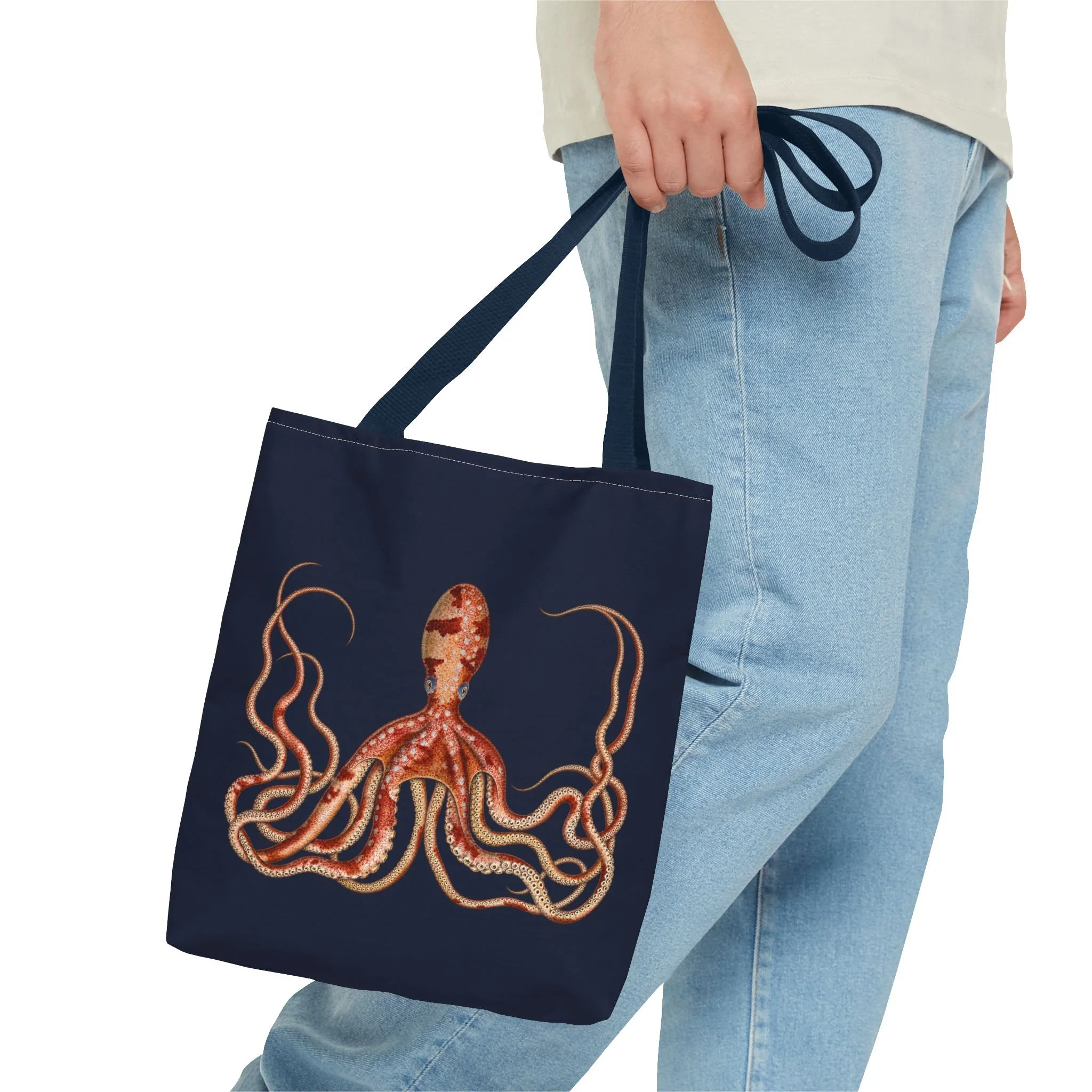 Image 3 of 12
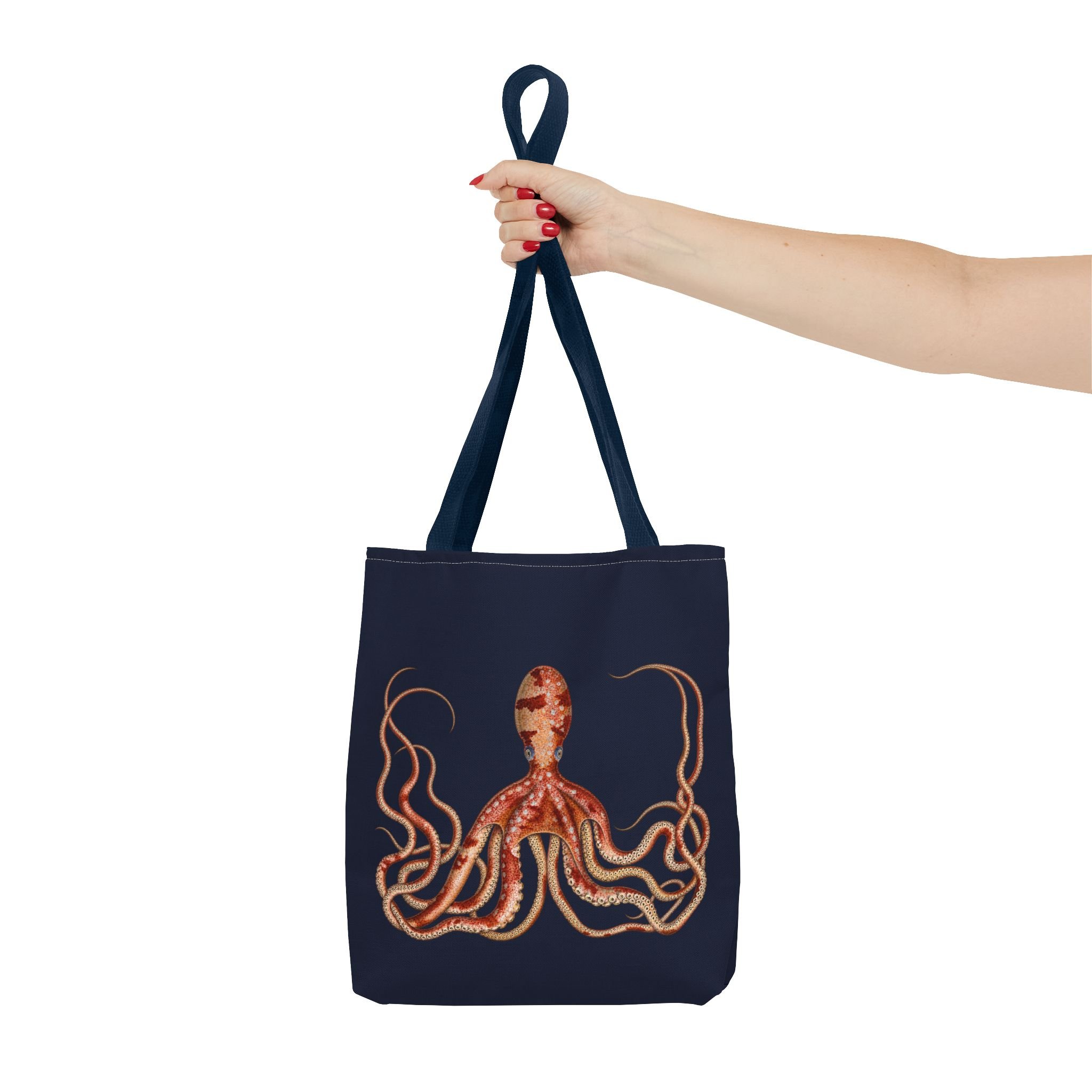 Image 4 of 12
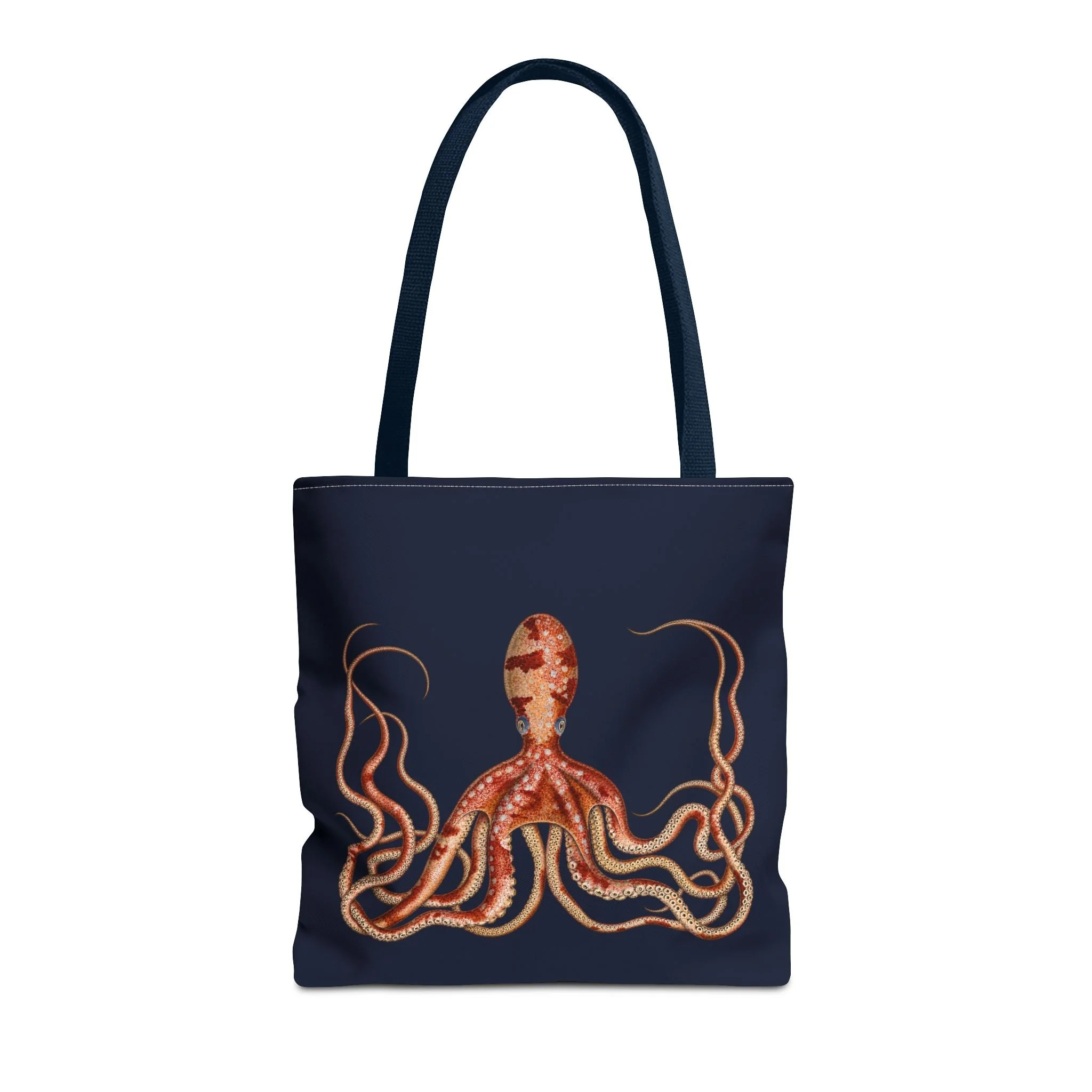 Image 5 of 12
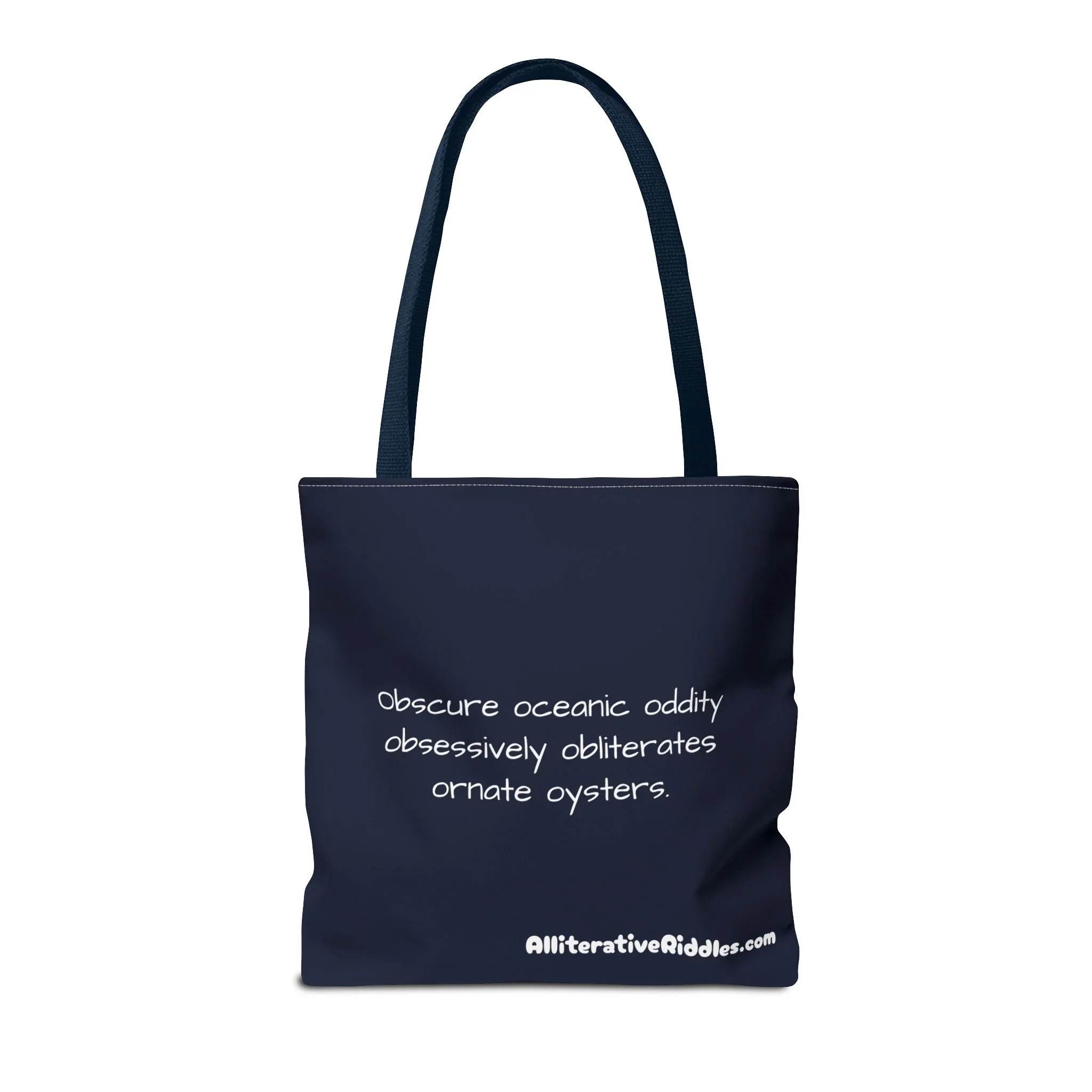 Image 6 of 12
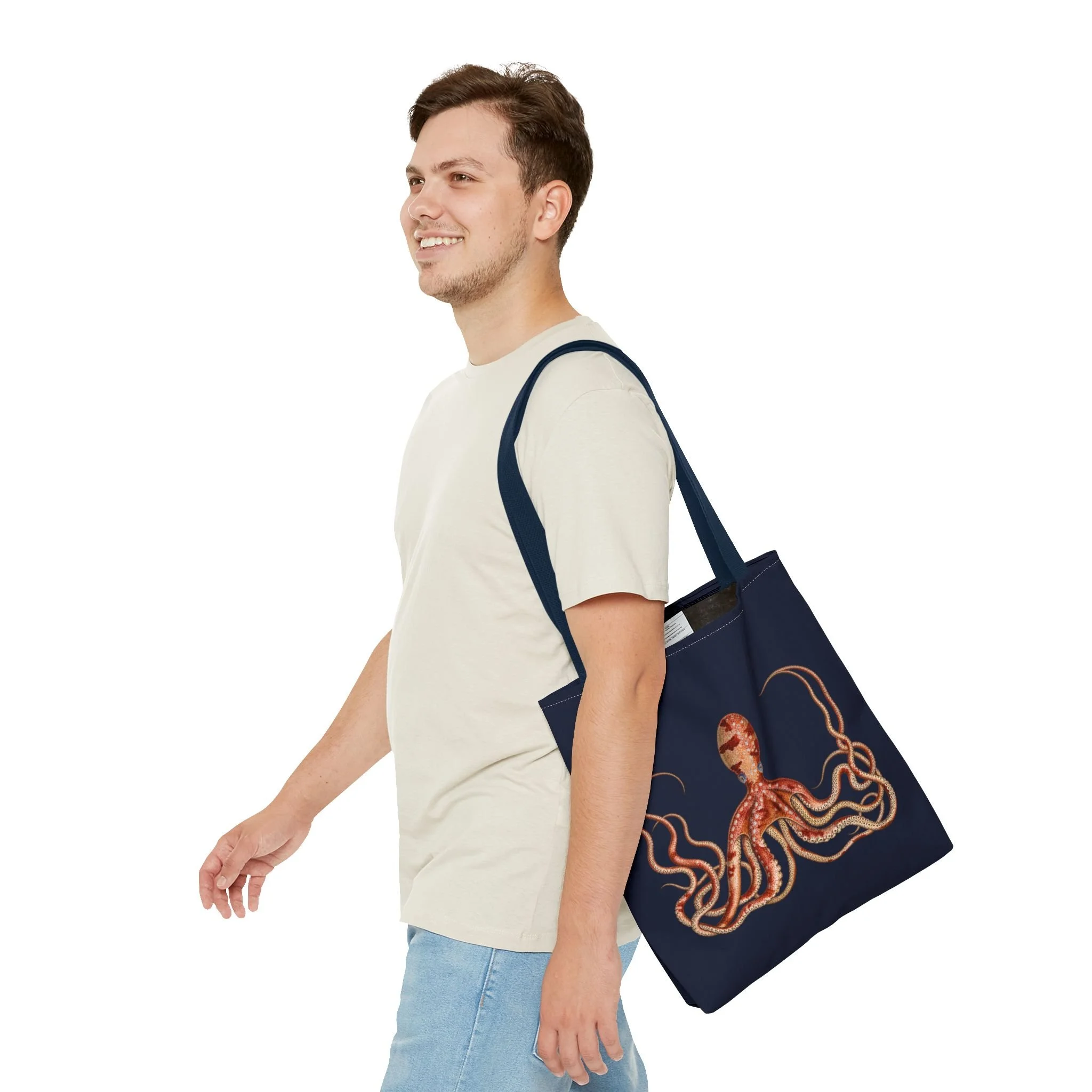 Image 7 of 12
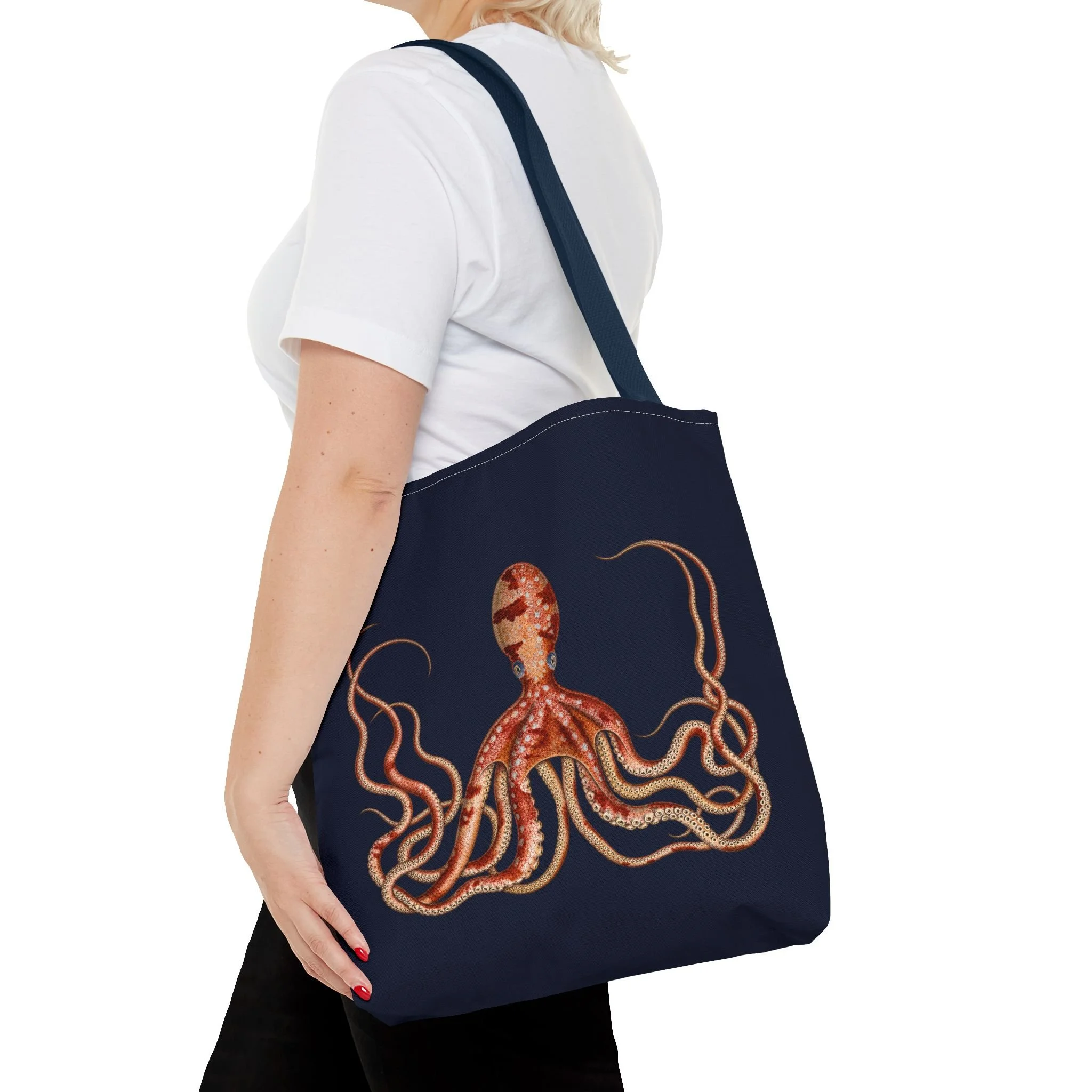 Image 8 of 12
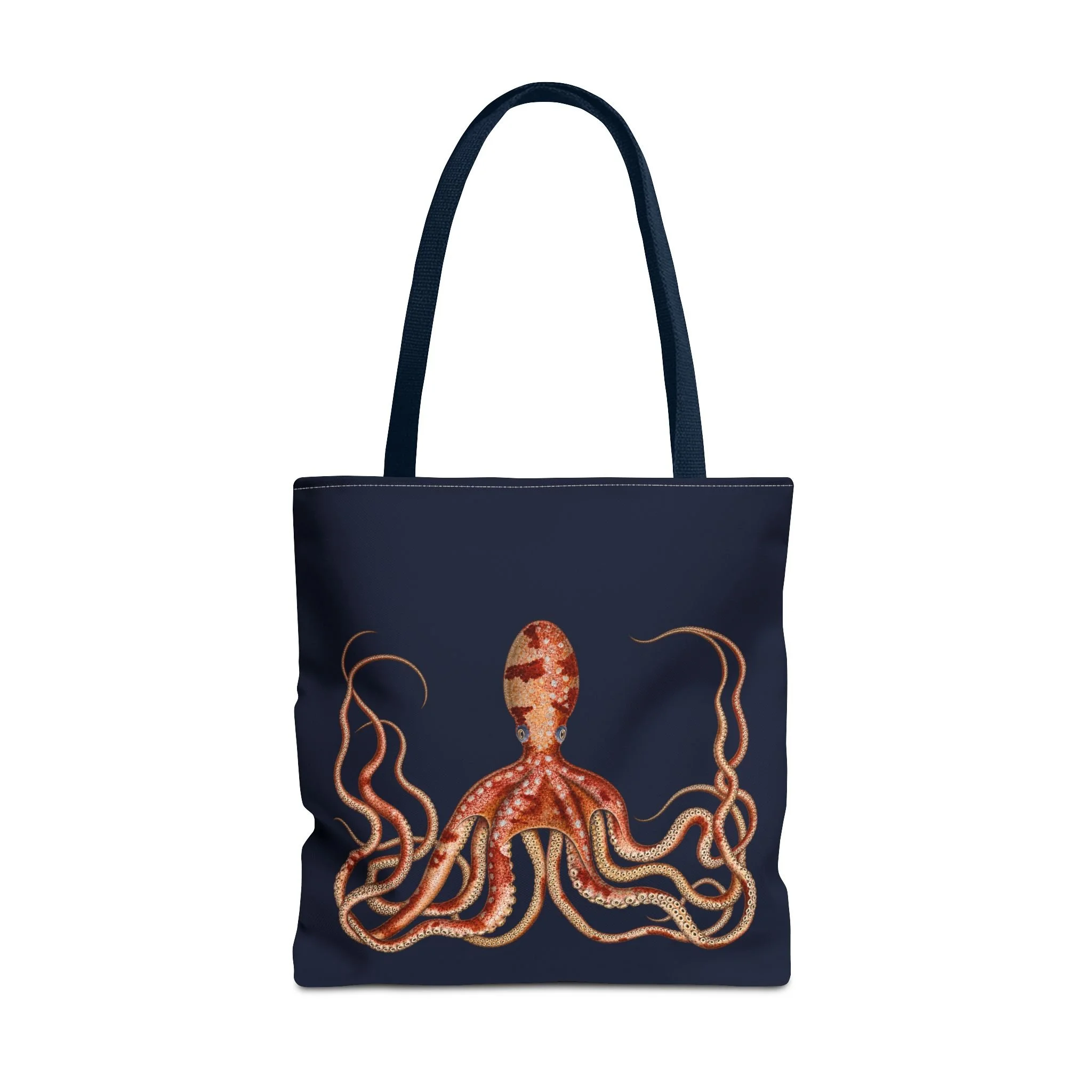 Image 9 of 12
 Image 10 of 12
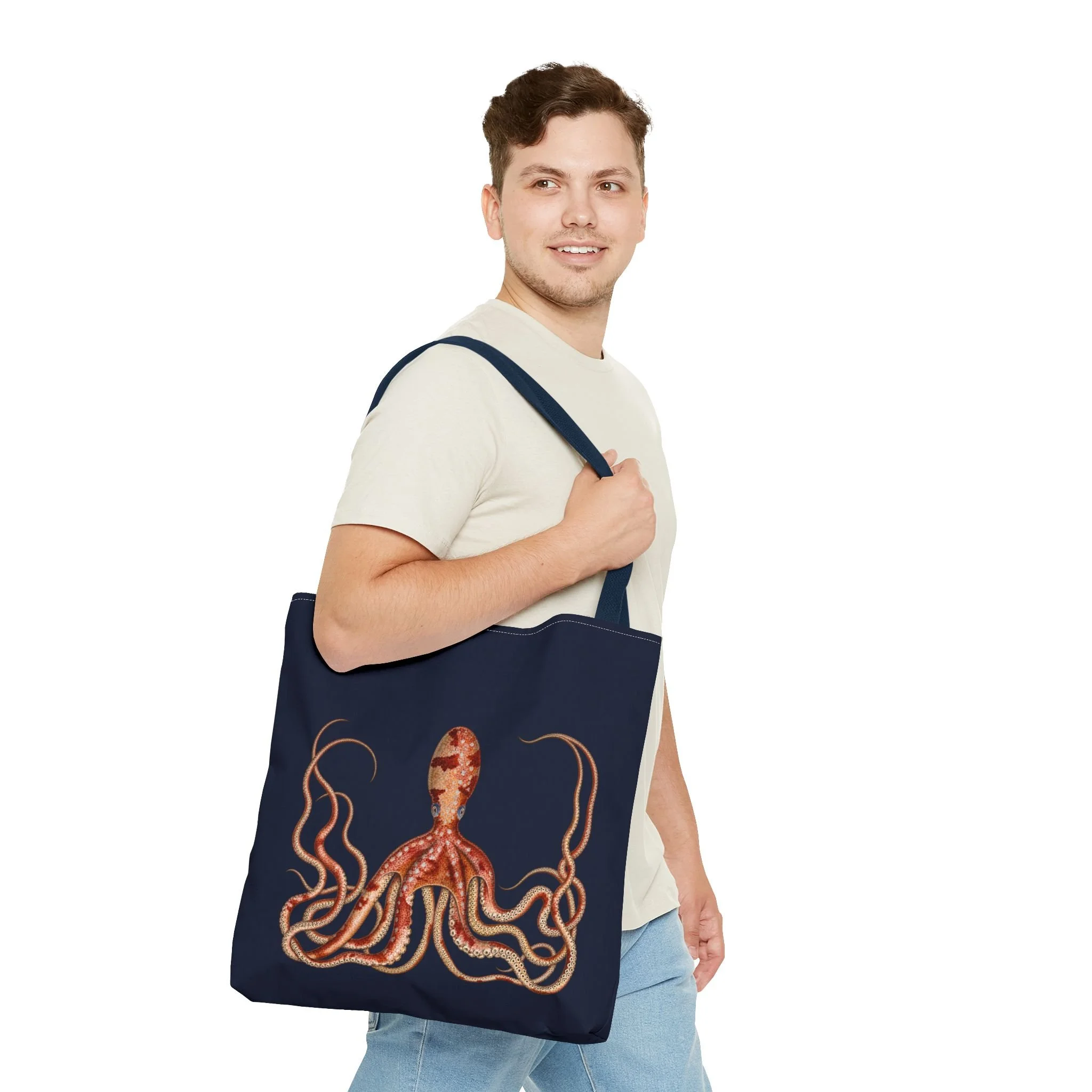 Image 11 of 12
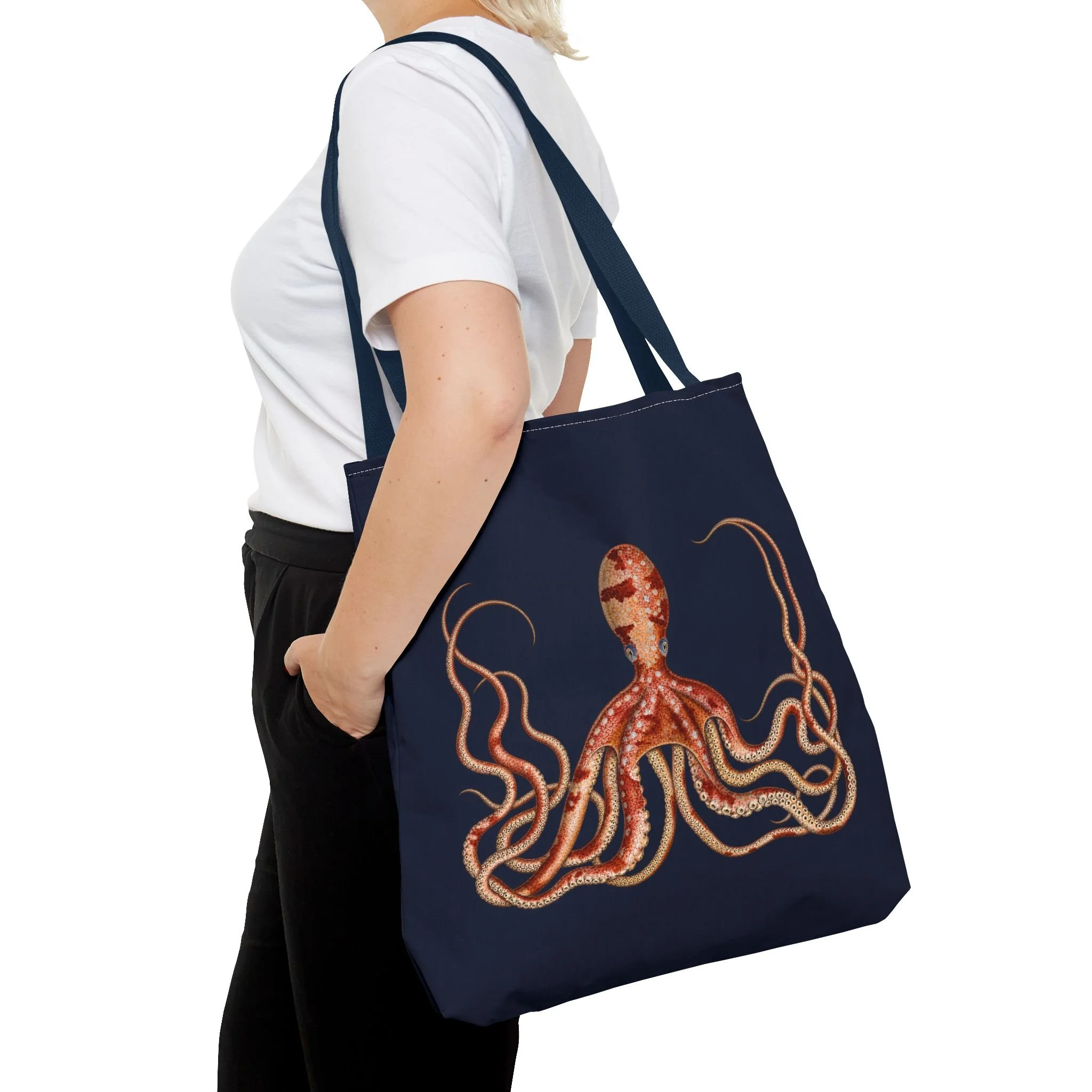 Image 12 of 12