Granulated Cuttle Tote Bag
The Granulated Cuttle, from George Shaw's The Naturalist's Miscellany, volume 18, plate 780 (1806–1807). Hand-colored natural-history engraving from the Nodder workshop.
The granulated cuttle was historically described among the cephalopods, a group of marine mollusks that includes octopuses, squid, and cuttlefish. Cephalopods are distinguished by their sophisticated eyes, flexible arms, powerful beaks, and remarkable ability to change color using specialized pigment cells called chromatophores.
Unlike most mollusks, which possess prominent external shells, many cephalopods have greatly reduced or entirely lost their shells. Their intelligence, complex behavior, and extraordinary adaptations have fascinated naturalists for centuries.
Product Details
· Size: 13″ × 13″
· Durable 100% spun polyester
· Medium-weight fabric (6.49 oz/yd²; 200 g/m²)
· Double-stitched seams
· Cotton webbing handles
· Nonwoven laminated interior lining
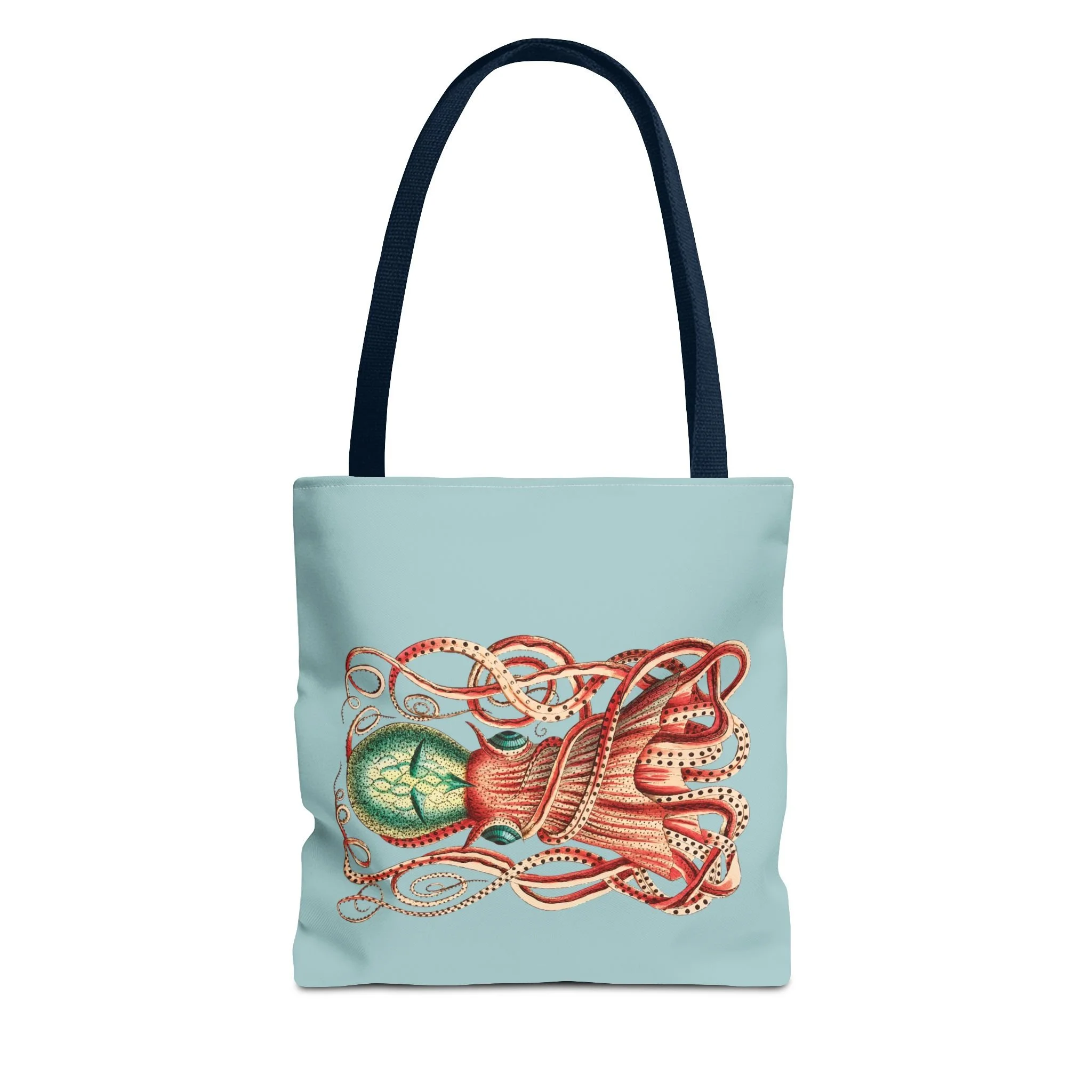 Image 1 of 12
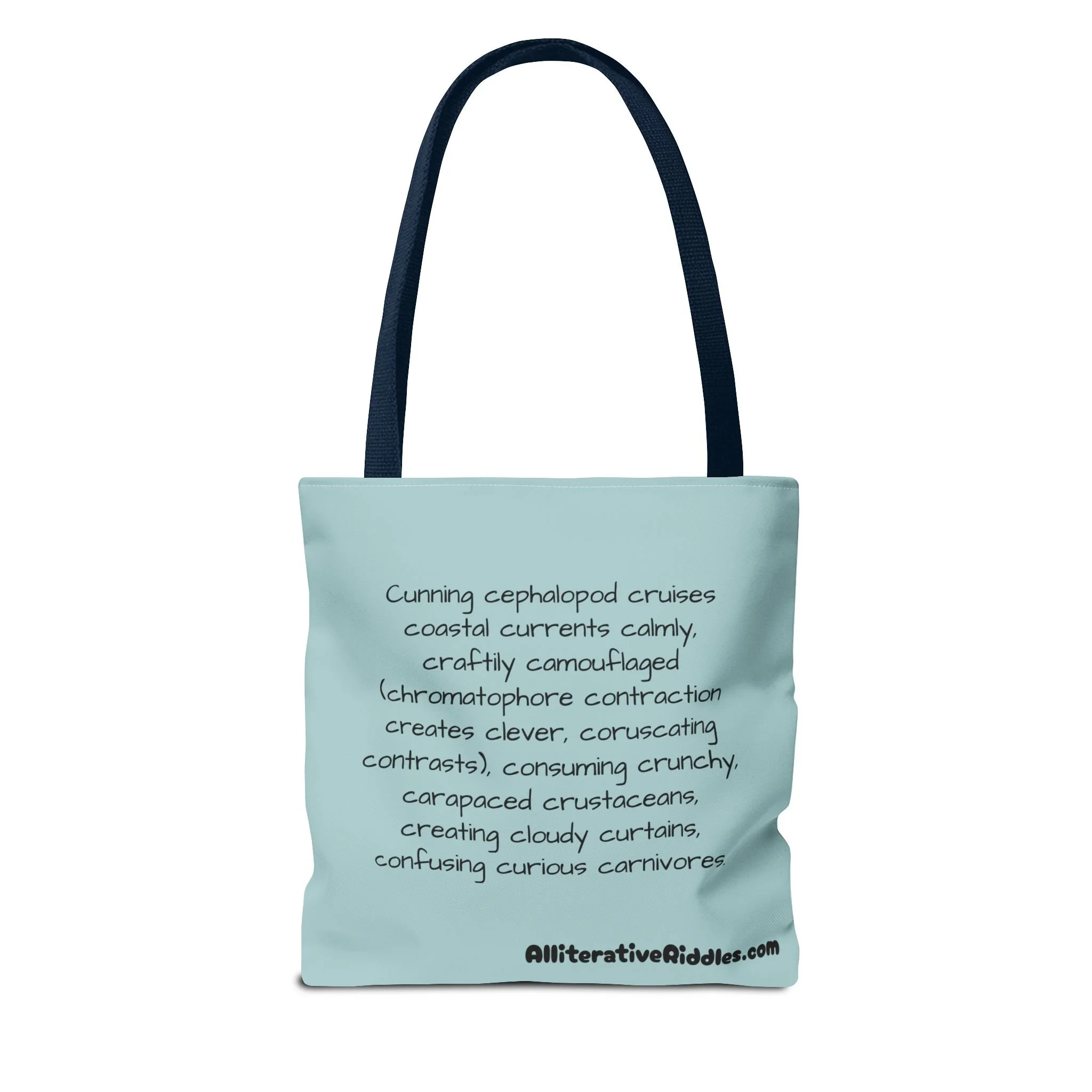 Image 2 of 12
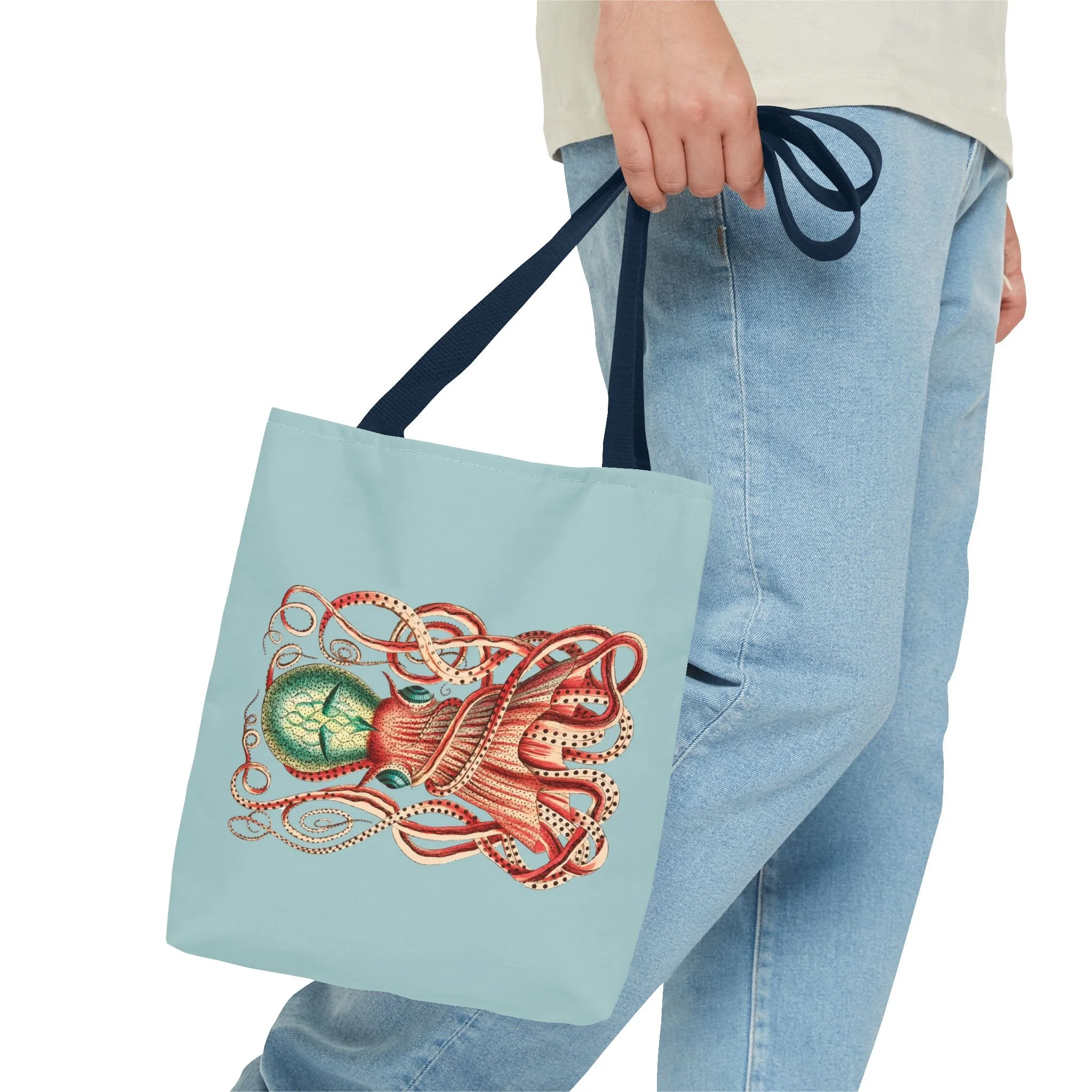 Image 3 of 12
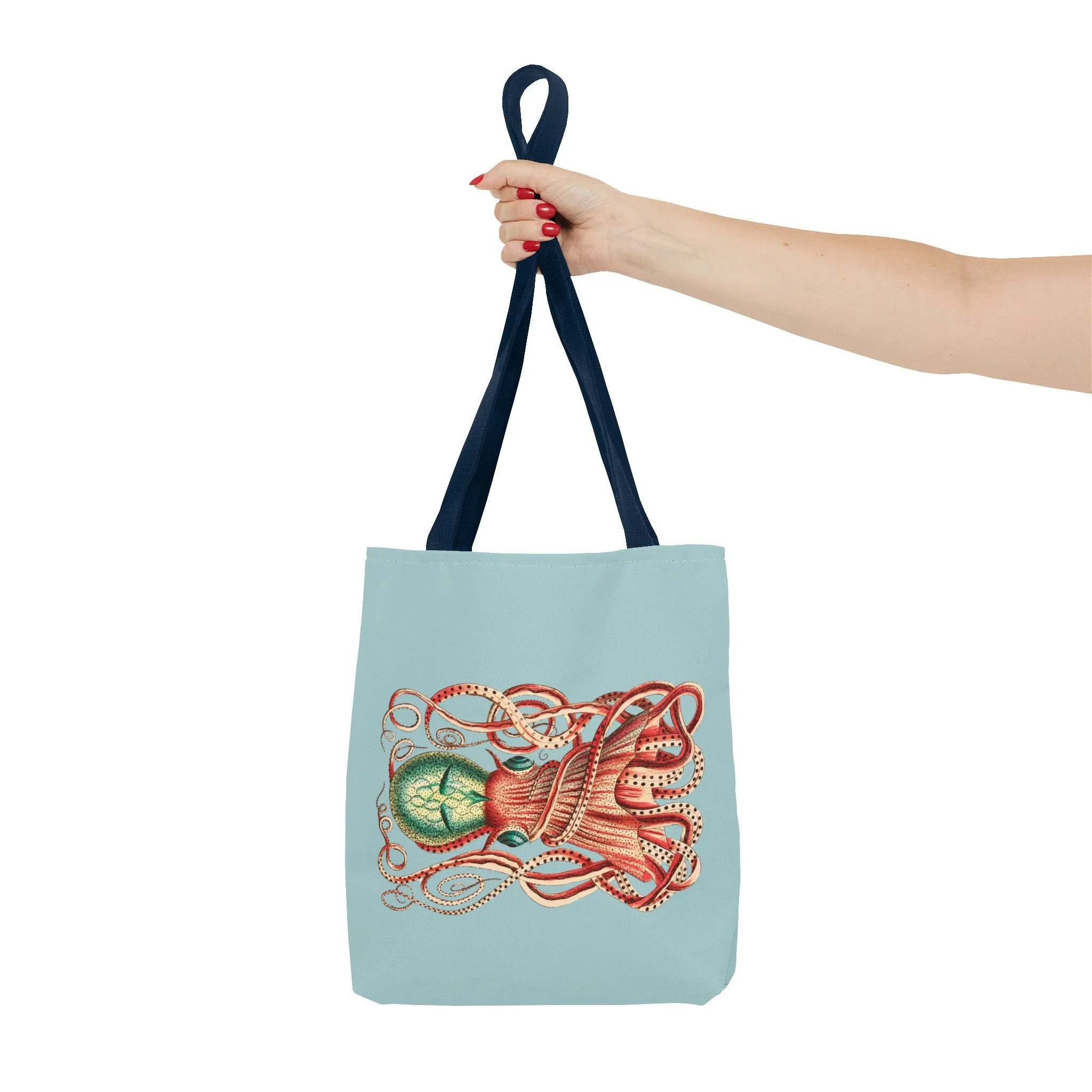 Image 4 of 12
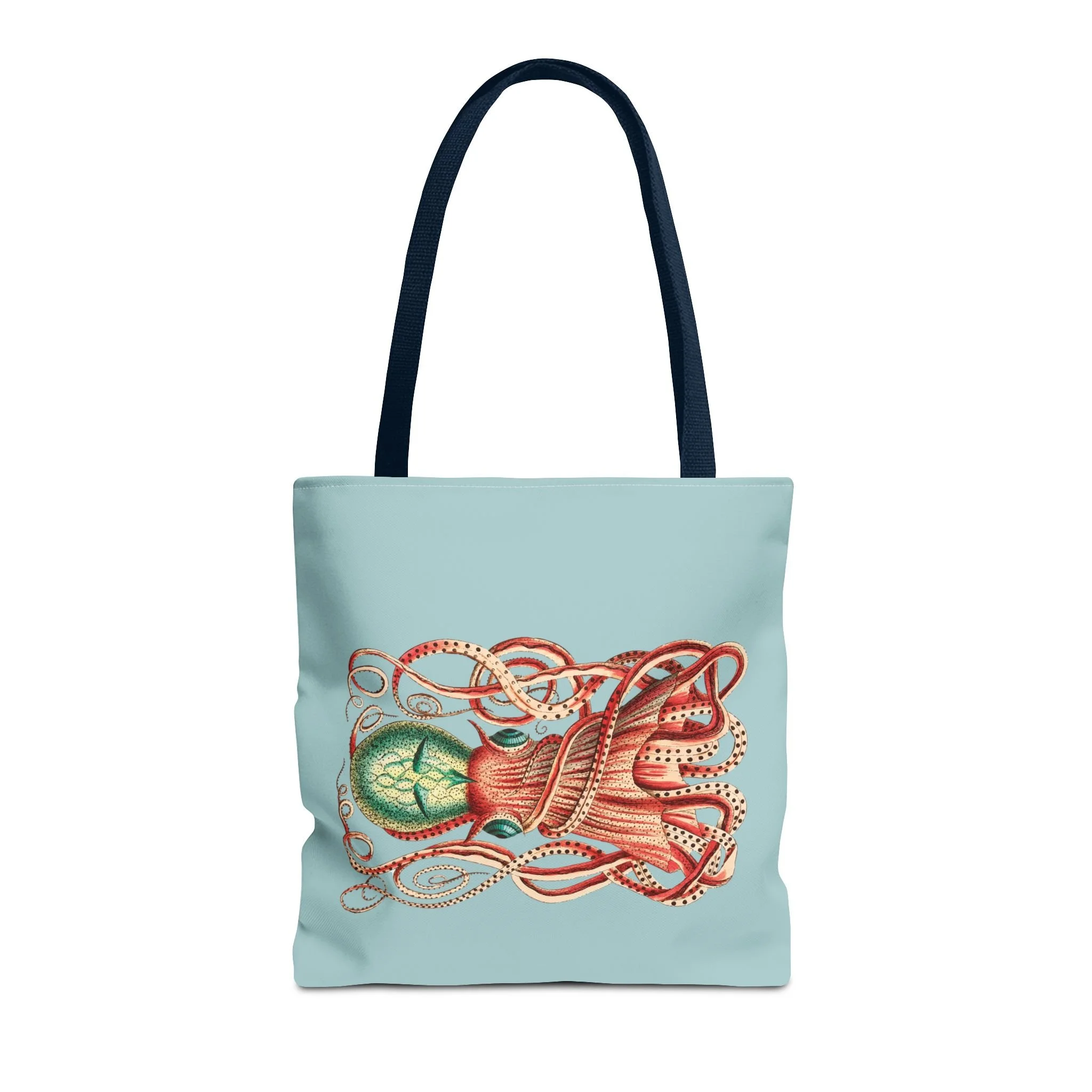 Image 5 of 12
 Image 6 of 12
 Image 7 of 12
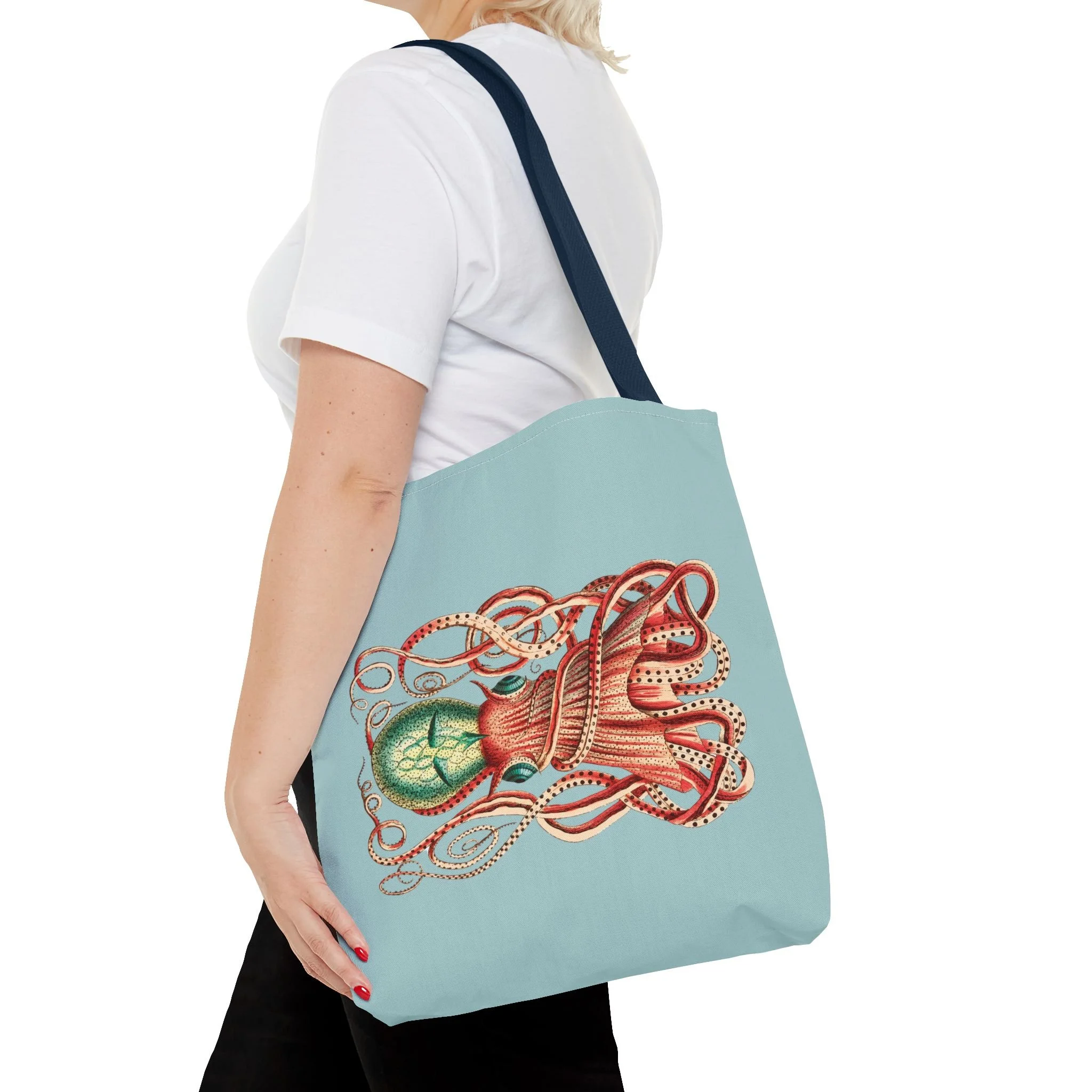 Image 8 of 12
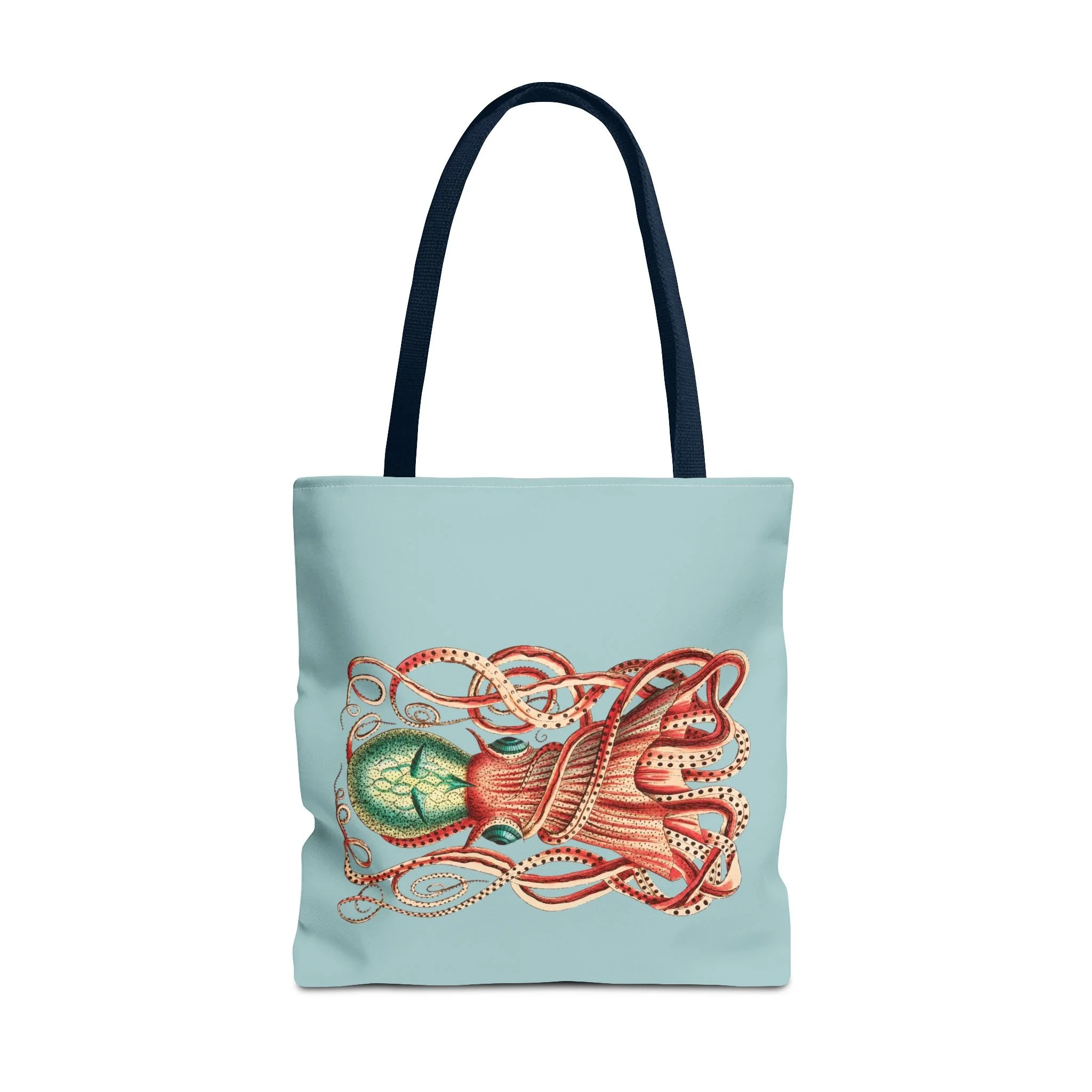 Image 9 of 12
 Image 10 of 12
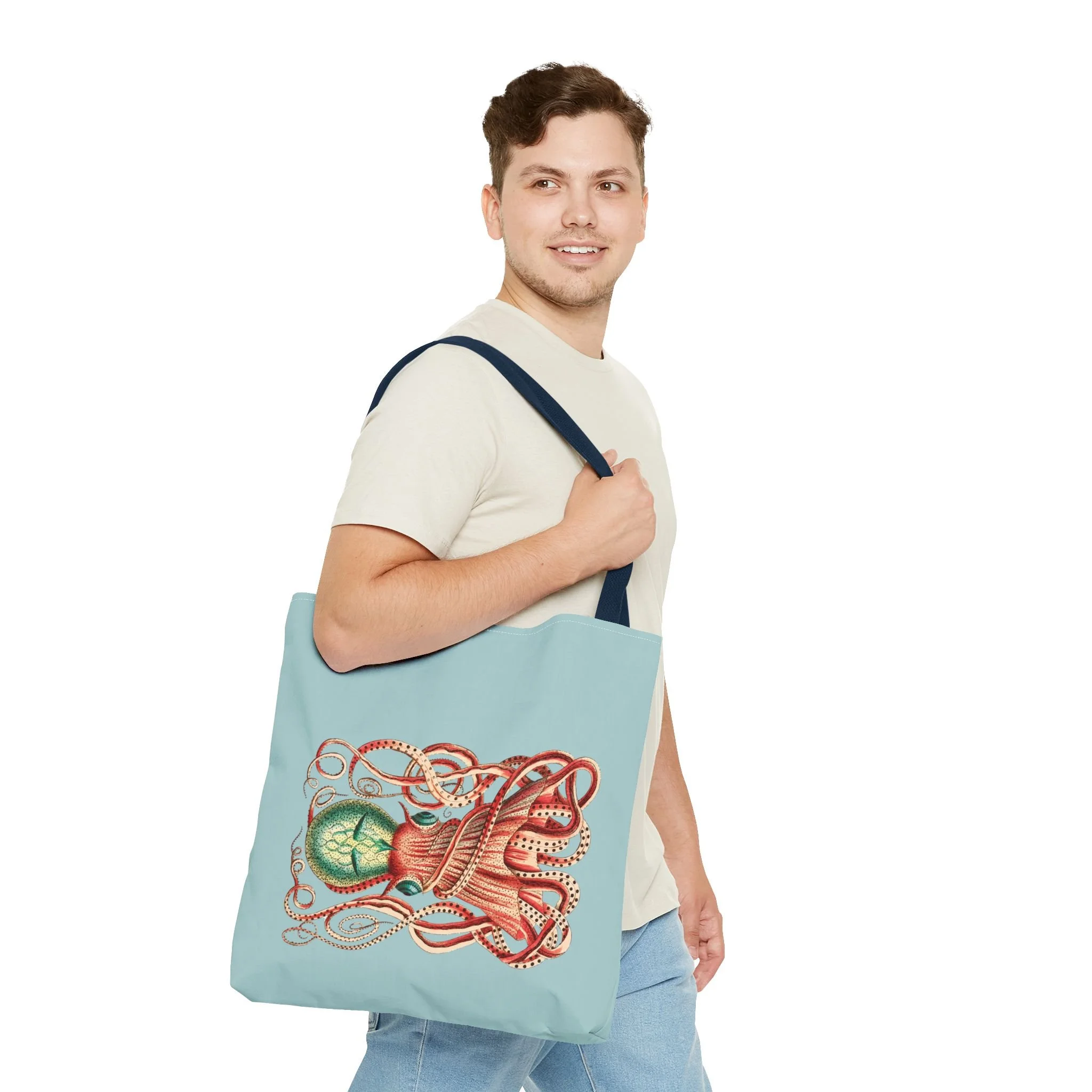 Image 11 of 12
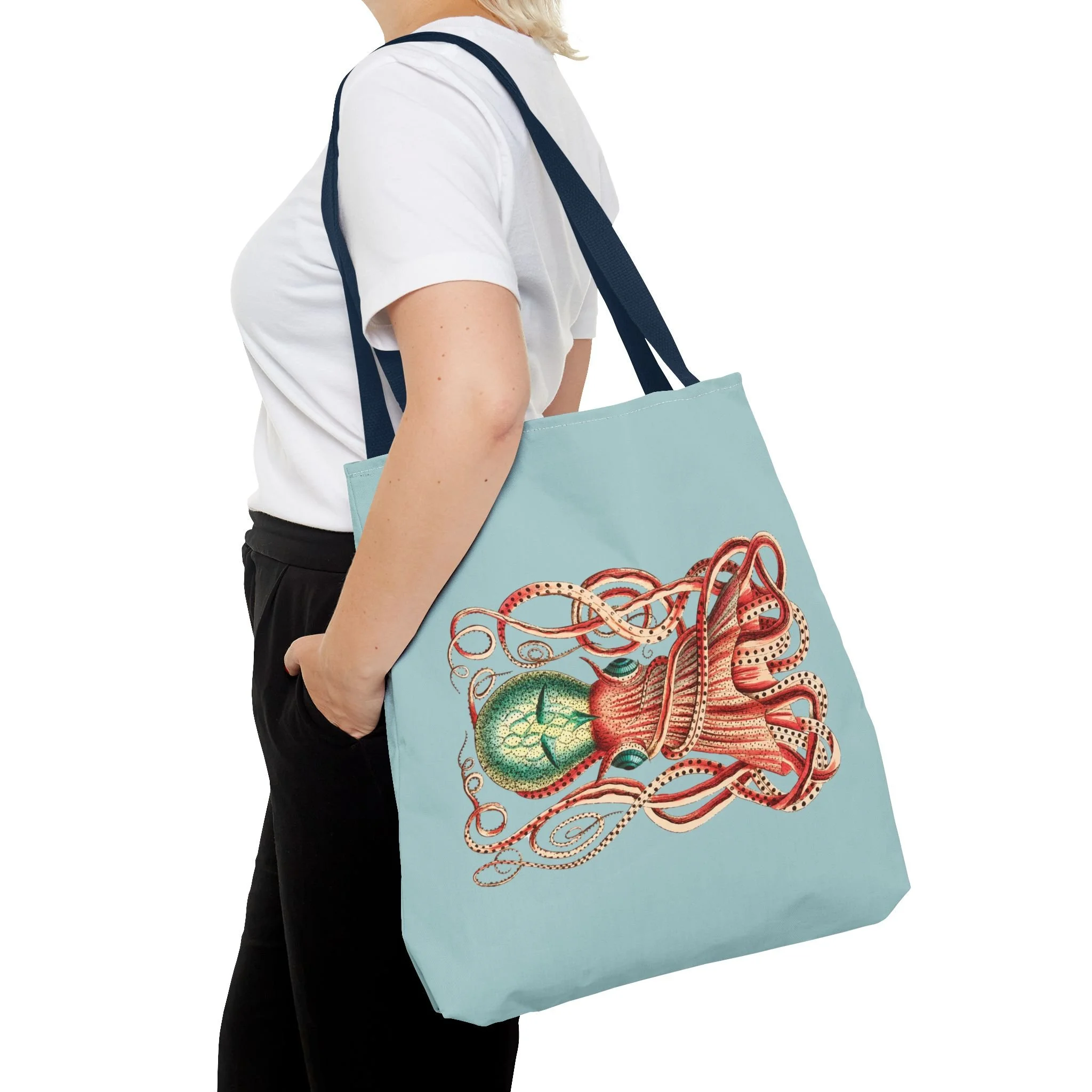 Image 12 of 12